Genomic Integrity: The Fourth Pillar of Quality in Cell and Gene Therapy
Cell and Gene Therapy
For decades, the biopharmaceutical industry has relied on three foundational quality attributes to evaluate therapeutic products:
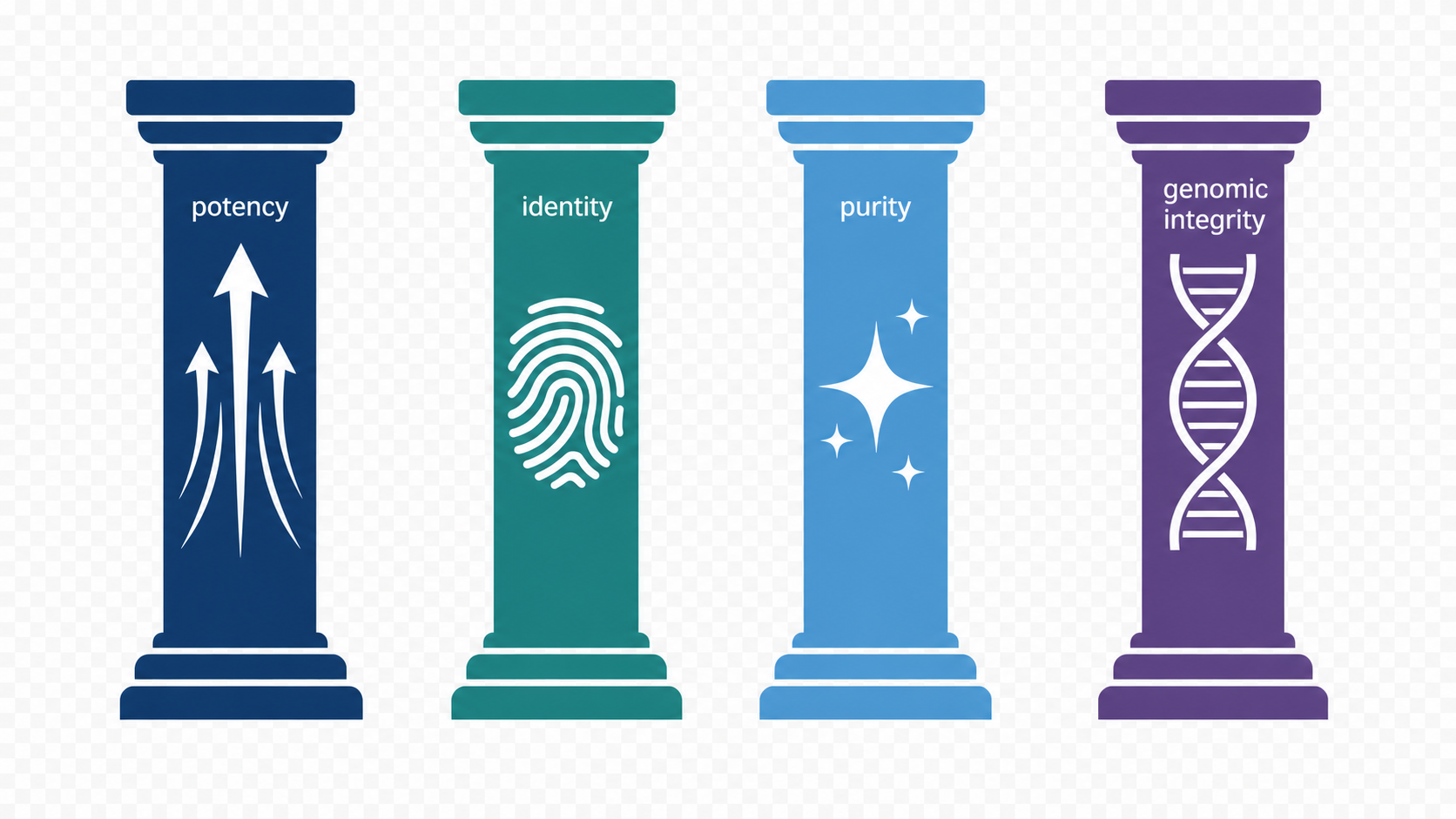
For decades, the biopharmaceutical industry has relied on three foundational...
Read More
The Biggest Risk in In Vivo Therapeutic Engineering Is What We Cannot See
in vivo
In vivo therapeutic engineering is often framed as the next logical evolution of ex vivo cell and gene therapy. By eliminating complex manufacturing steps and enabling direct delivery of therapeutic payloads into the body, these approaches promise broader access, faster treatment timelines, and potentially lower cost.

In vivo therapeutic engineering is often framed as the next logical evolution...
Read More
The Next Evolution of Cytogenetics: From Observation to Action
FDA Guidance Cell and Gene Therapy
For decades, cytogenetics has played a critical role in therapy development. It has helped us see when genomes are altered, unstable, or outright broken. But as cell and gene therapies become more sophisticated - and the margin for error shrinks - seeing is no longer enough.

For decades, cytogenetics has played a critical role in therapy development. It...
Read More
Navigating the Hidden Risks of CRISPR with the KROMASURE™ Platform
CRISPR
A recent Perspective in Nature Communications, “The hidden risks of CRISPR/Cas: structural variations and genome integrity” (August 5, 2025), emphasizes a growing concern in gene editing: while CRISPR technology enables powerful genomic interventions, unintended outcomes—such as kilobase- to megabase-scale deletions, chromosomal translocations, and broader structural variations (SVs)—pose serious safety and regulatory challenges Nature. These risks are especially pronounced as therapeutic genome editing advances toward clinical applications.
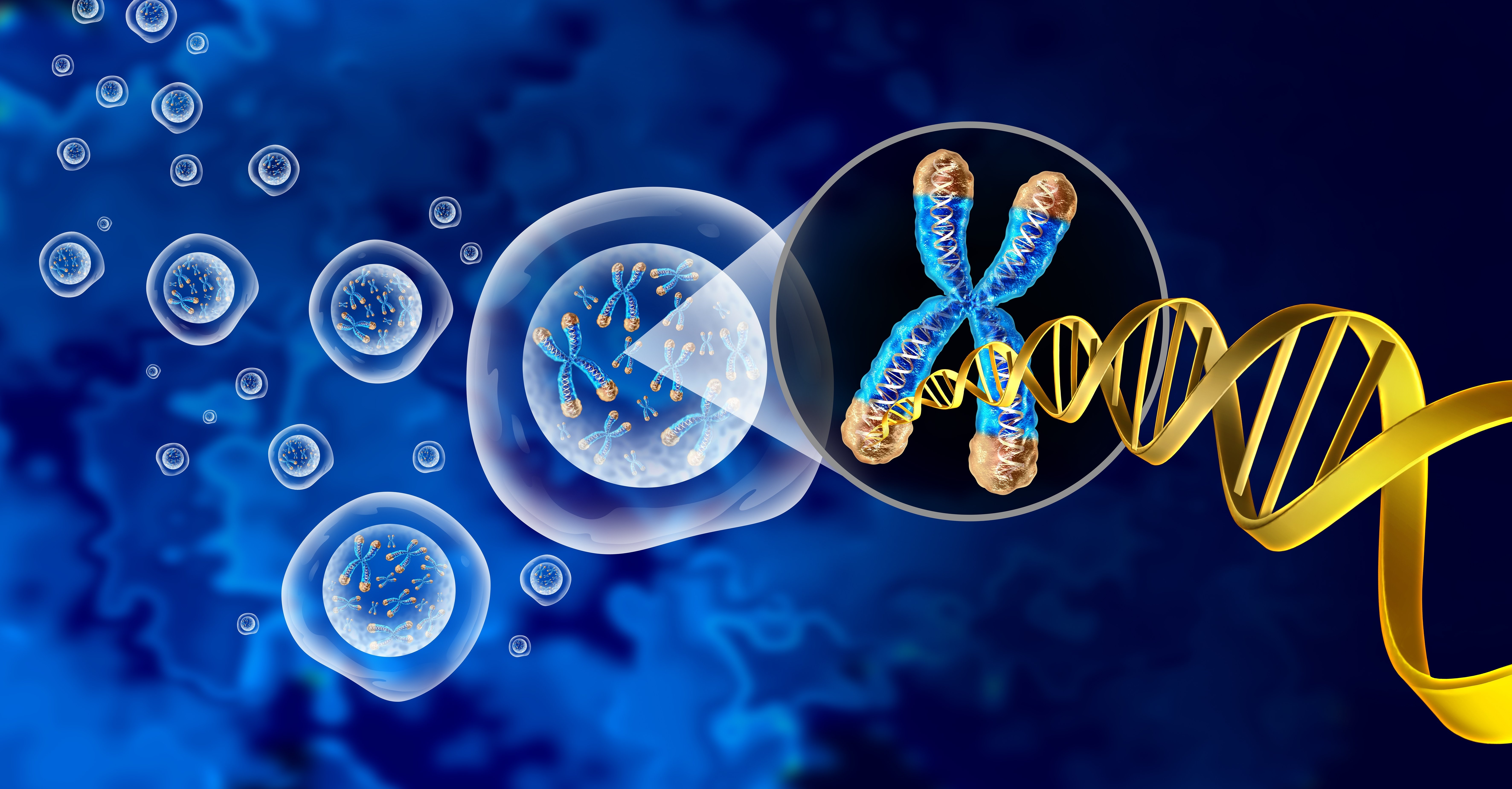
A recent Perspective in Nature Communications, “The hidden risks of CRISPR/Cas:...
Read More